Vulcanization uses cross-linked sulfur bonds to give tire rubber its elasticity, heat resistance, and structural durability. Reversing this chemical process requires specialized mechanical breakdown and thermal treatment to reclaim functional polymers. Modern recycling plants combine heavy mechanical shredding with advanced devulcanization to unlock secondary utility from discarded tread.
Primary Shredding and Granulation Stages
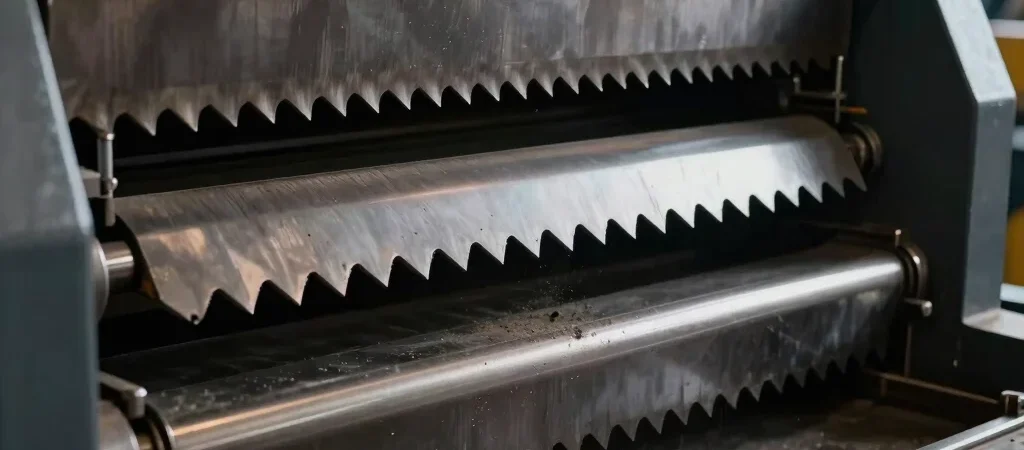
The breakdown process begins in high-torque industrial shredders operating at low speeds to prevent friction fires. Interlocking steel cutters tear through thick tread plies and sidewalls, reducing whole casings to uniform rubber chips. Secondary granulators then grind these chips under controlled temperatures to produce micro-milled rubber powder without scorching the material.
Cleaving Cross-Linked Polymer Chains
Devulcanization applies targeted chemical additives, intense shear force, or ultrasonic energy to target specific sulfur-sulfur bonds. By breaking these cross-links without destroying the primary carbon backbone, processors restore plasticity to the cured rubber. This enables recycled rubber to mix smoothly into fresh compound formulations for newly manufactured goods.
Applications for Reclaimed Devulcanized Rubber
Reclaimed rubber matrix reduces raw material costs and environmental footprint across industrial manufacturing sector applications. Molded goods such as commercial floor mats, dampening pads, and vehicle splash guards rely heavily on devulcanized feedstock. Facility managers and engineers specify these secondary compounds to meet corporate circular economy targets without compromising durability.